
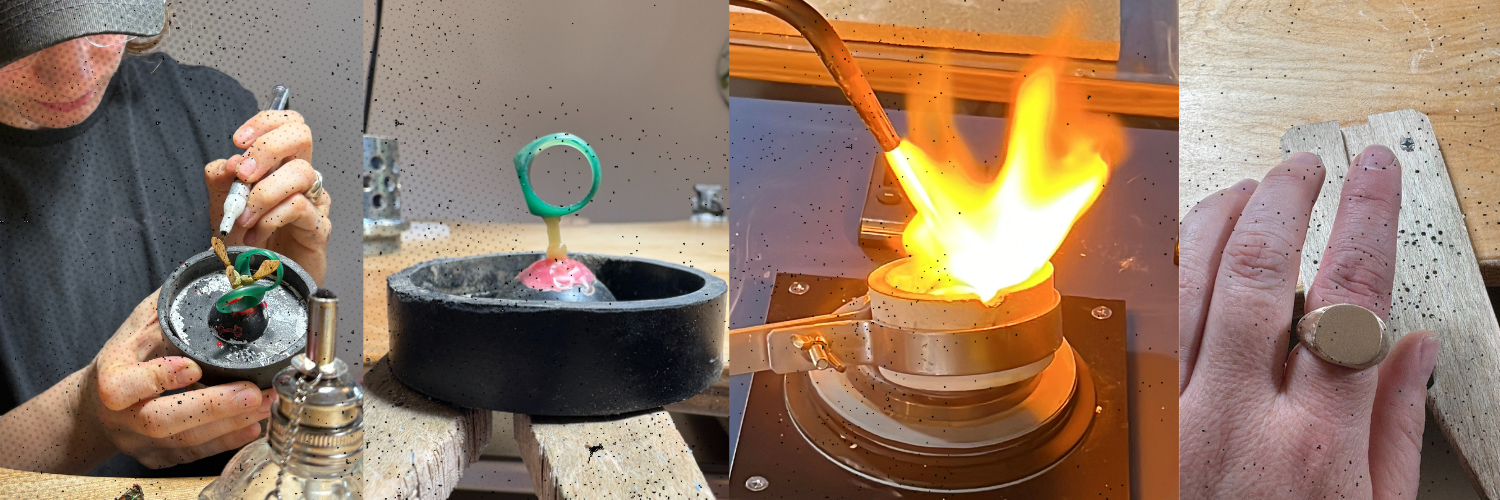
beginning casting for jewelry
Class Description
This workshop comprehensively scratches the surface of lost wax casting. Be sure that you are able to attend all 3 class dates.
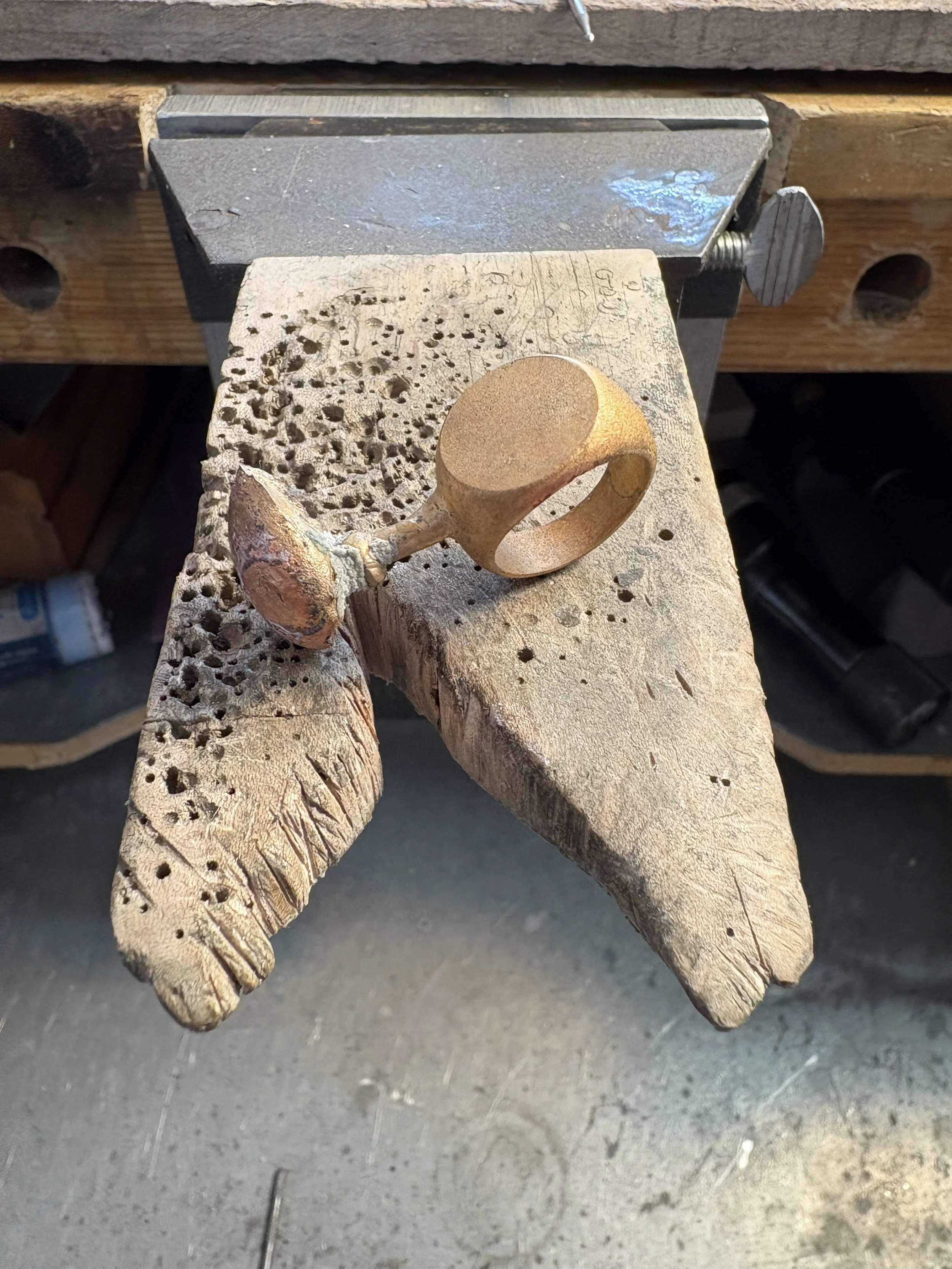
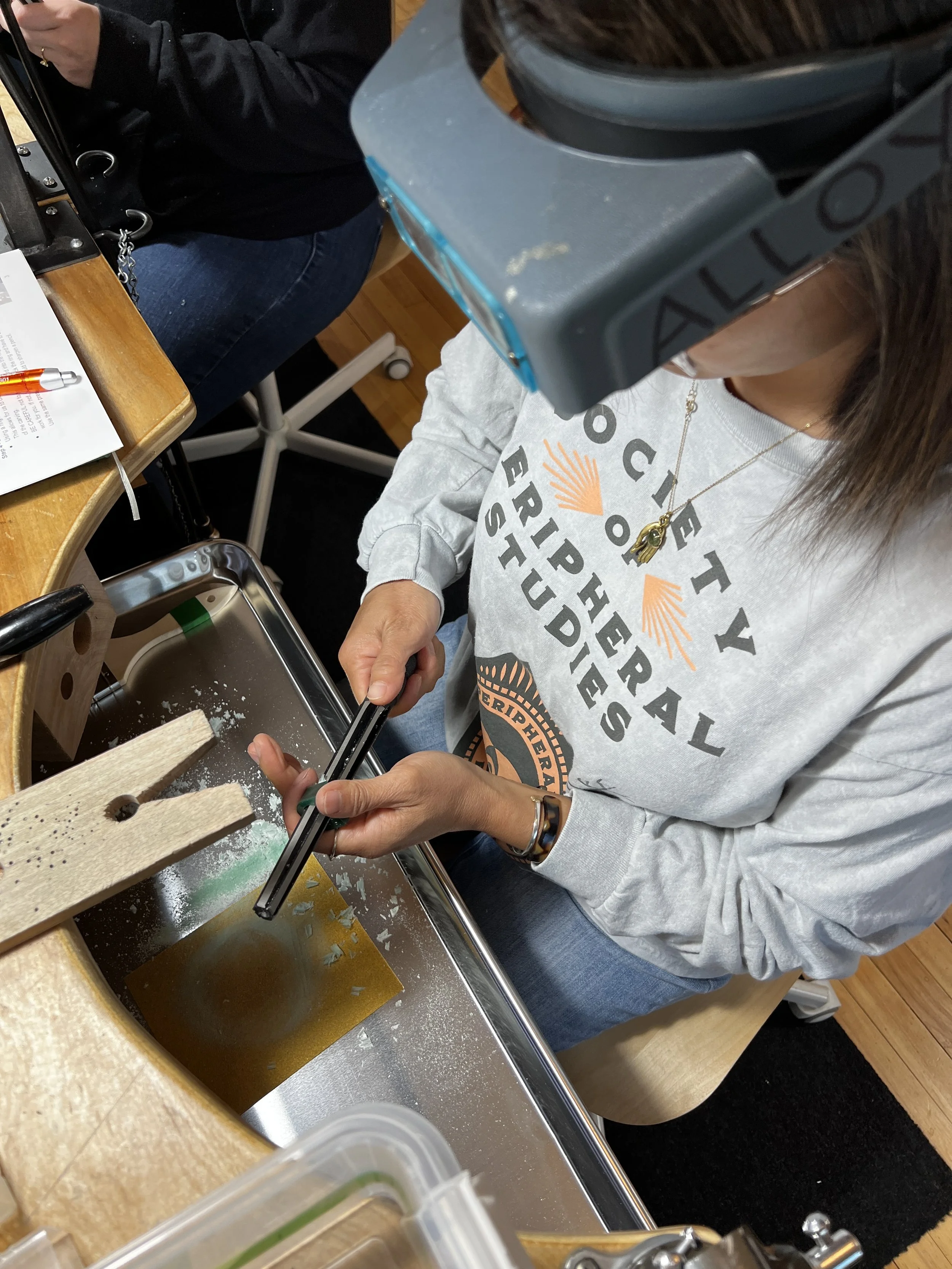
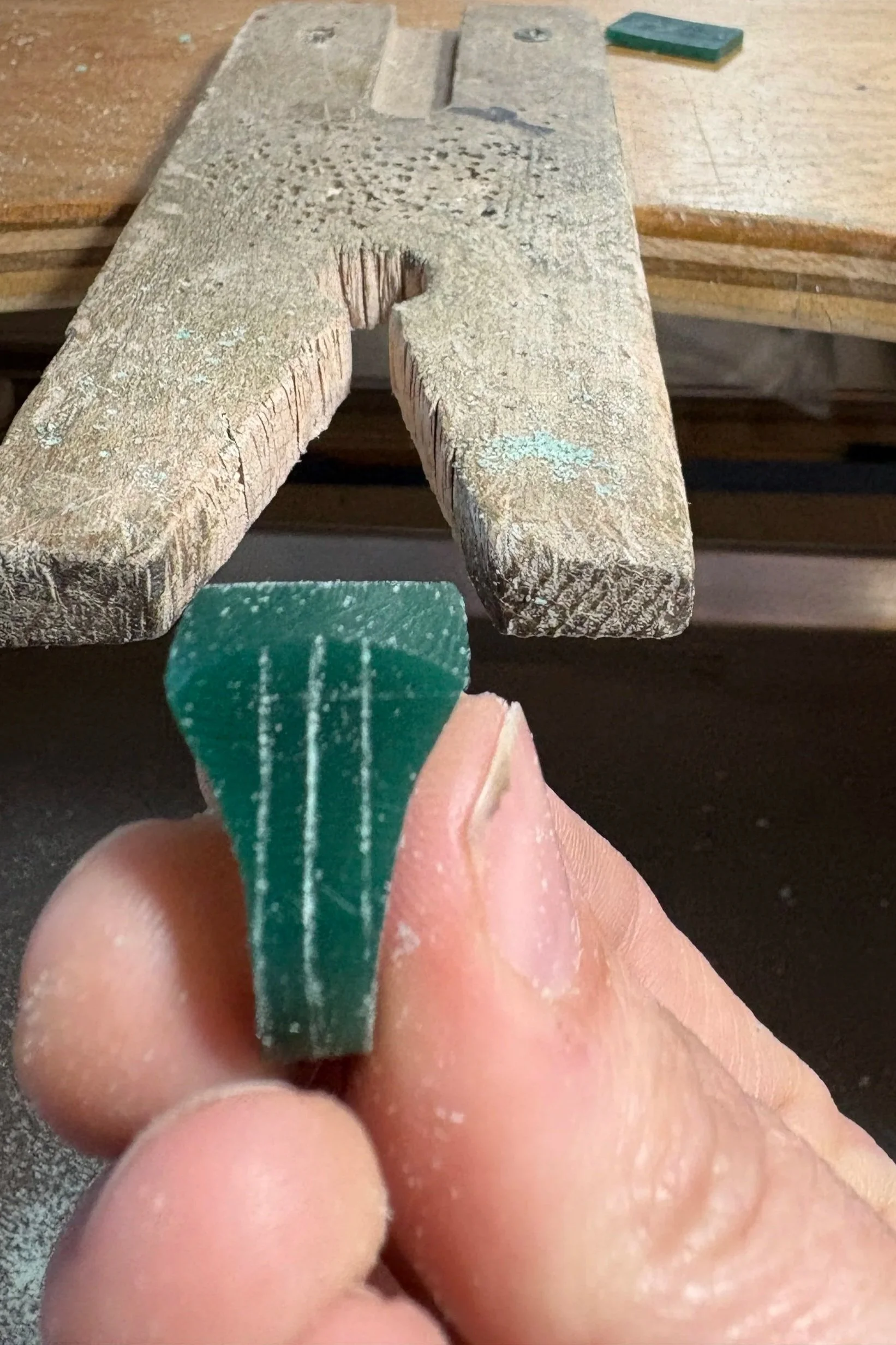
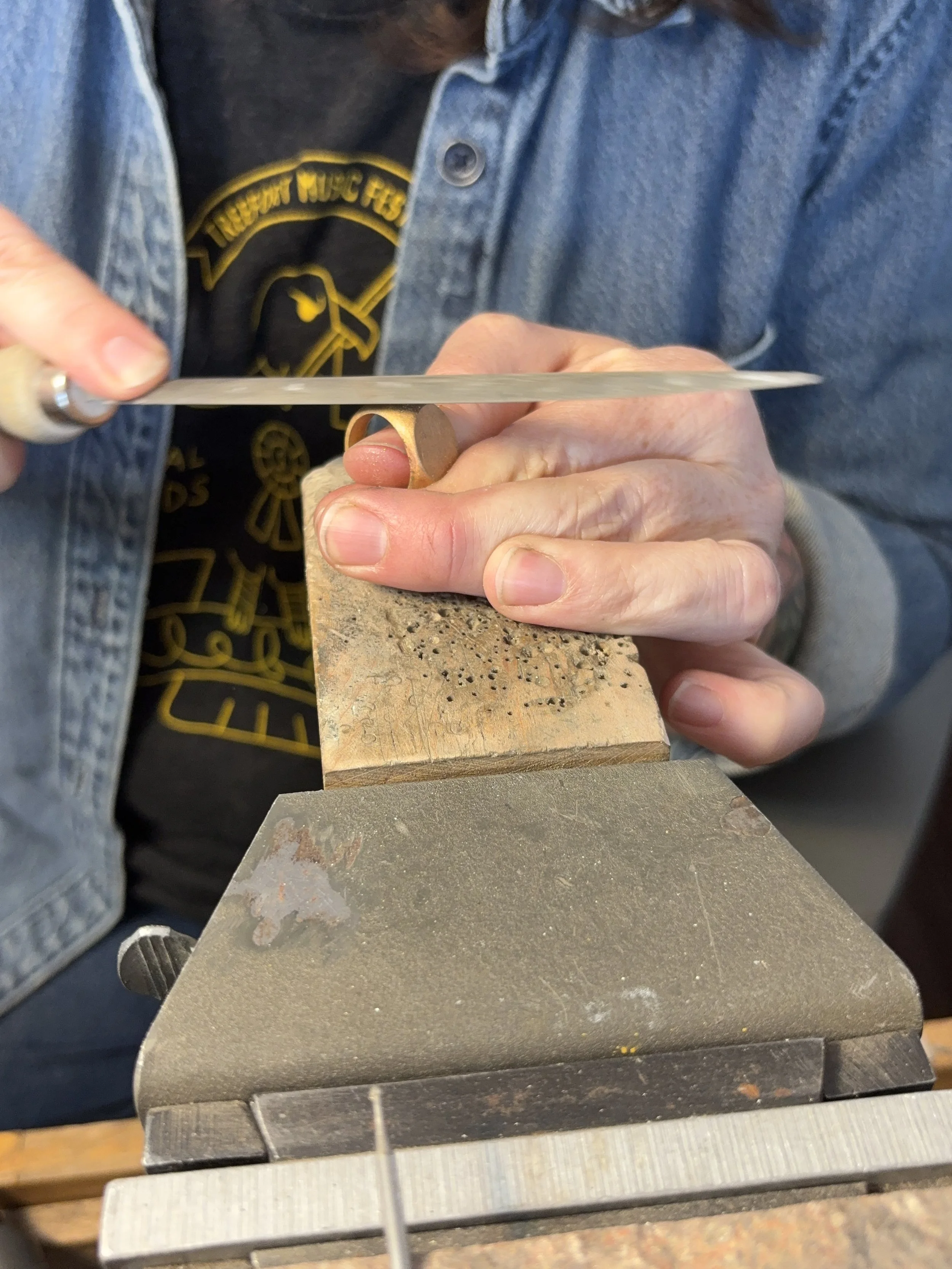
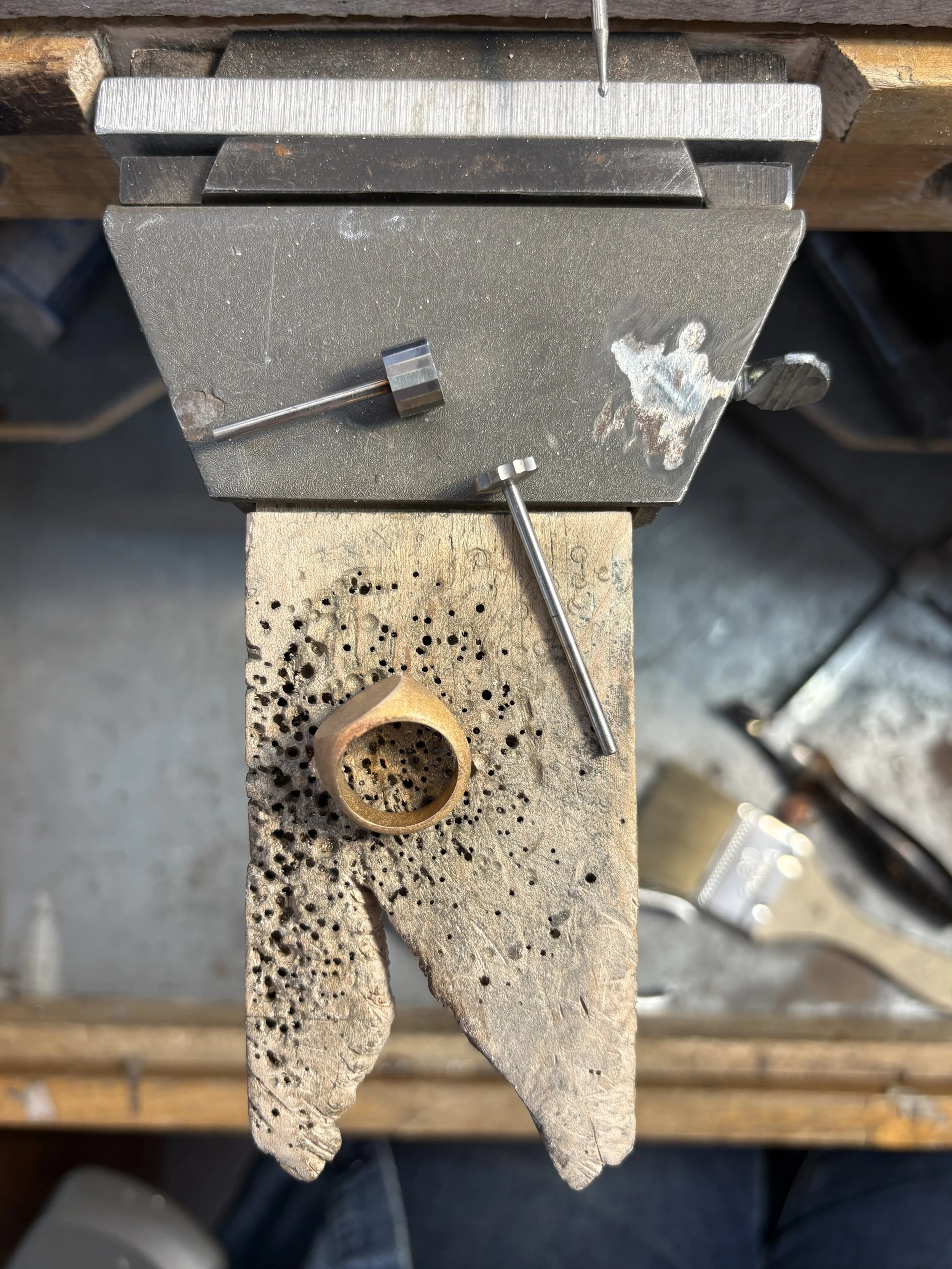
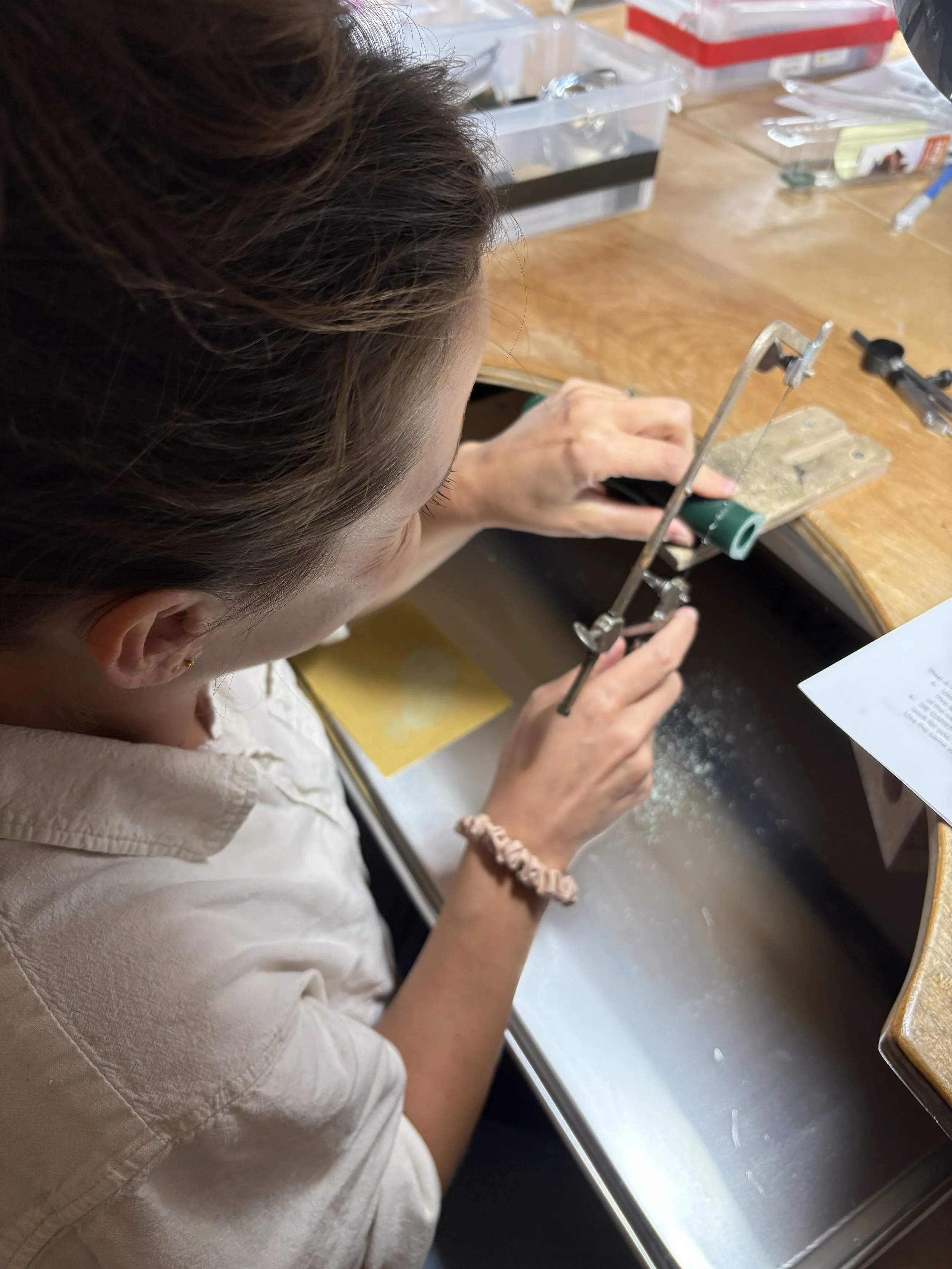
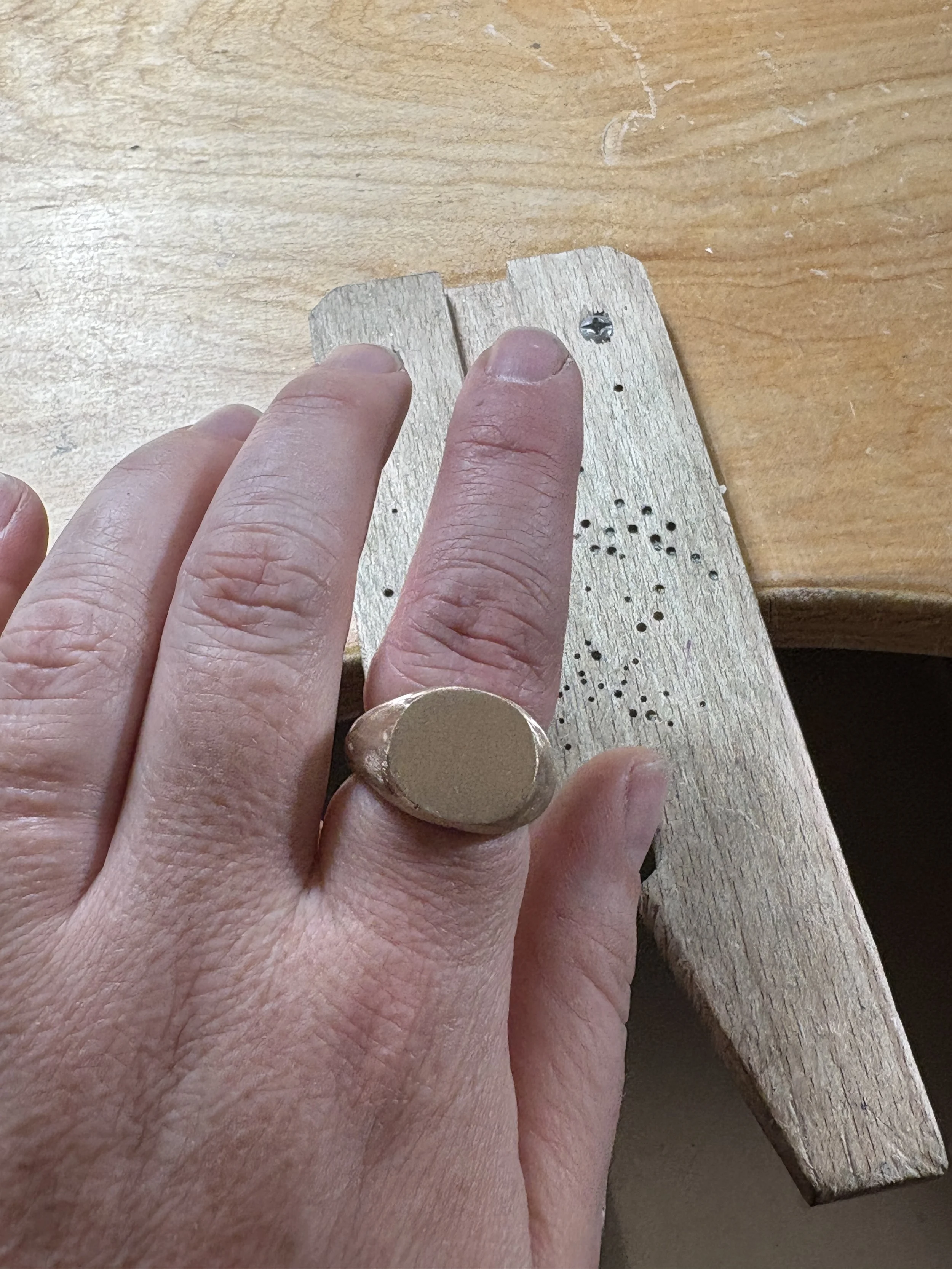
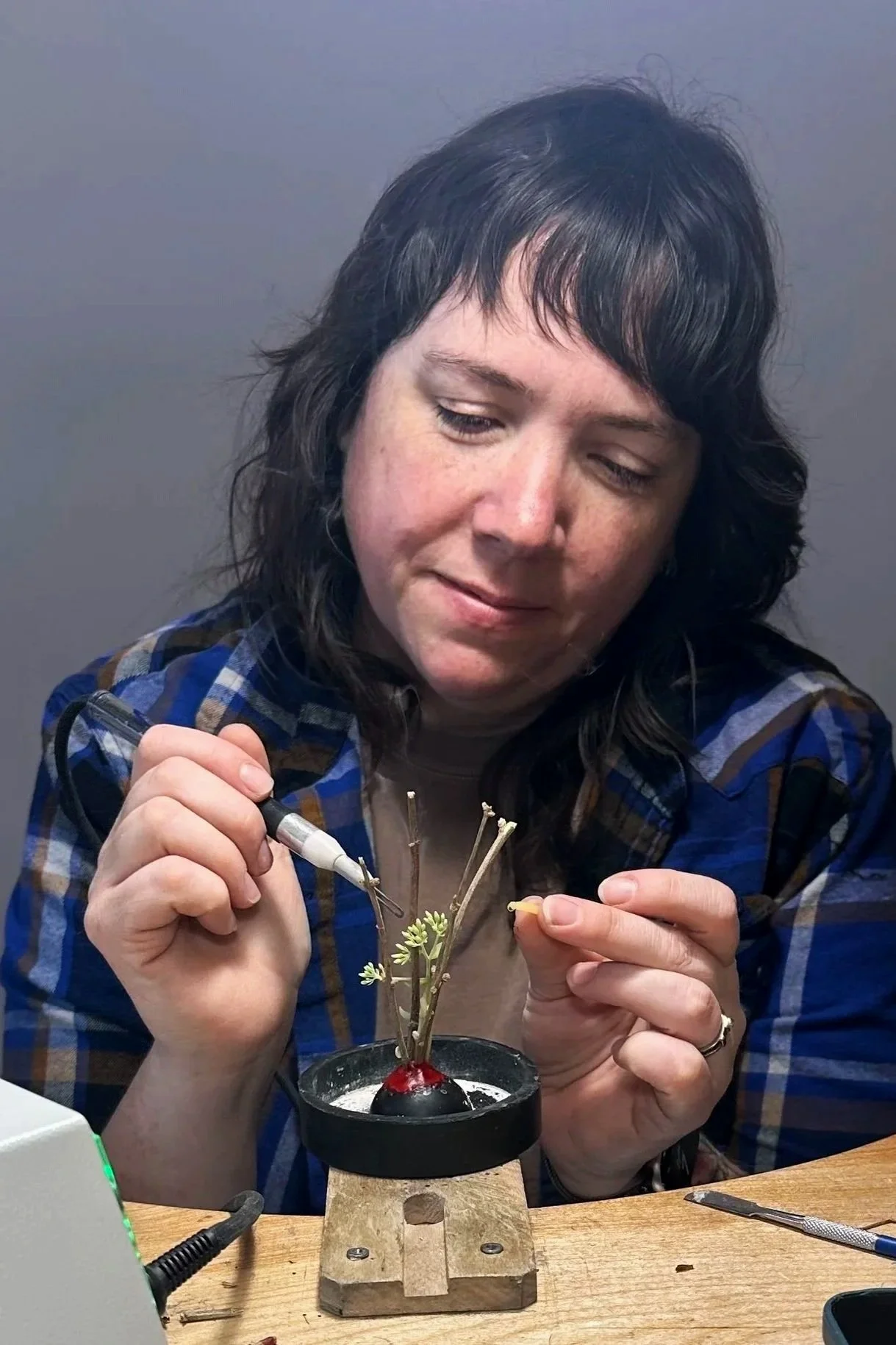
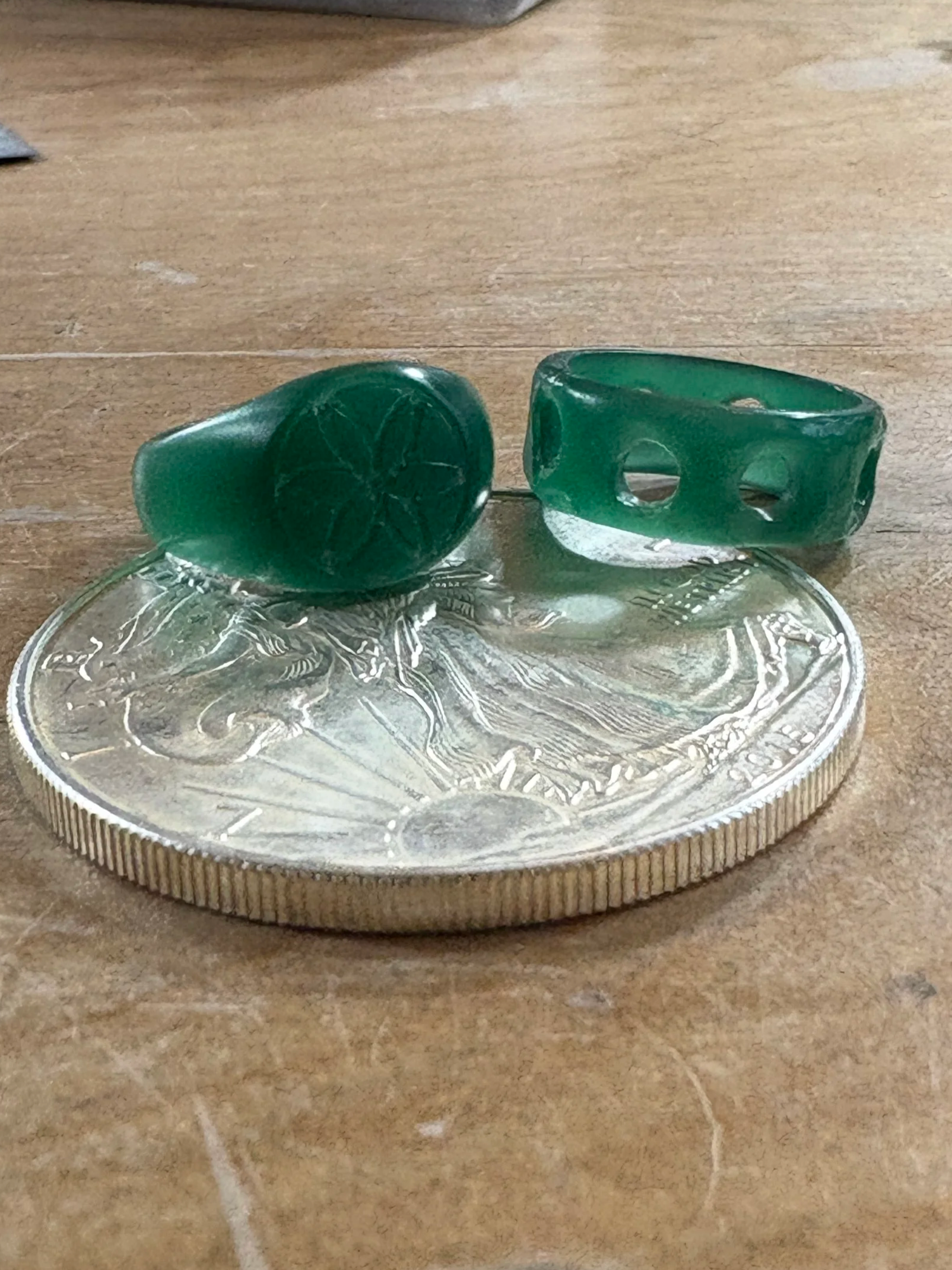
Class 1: Carve a signet ring from start to finish.
Between Classes: Practice carving and prepare extras for casting.
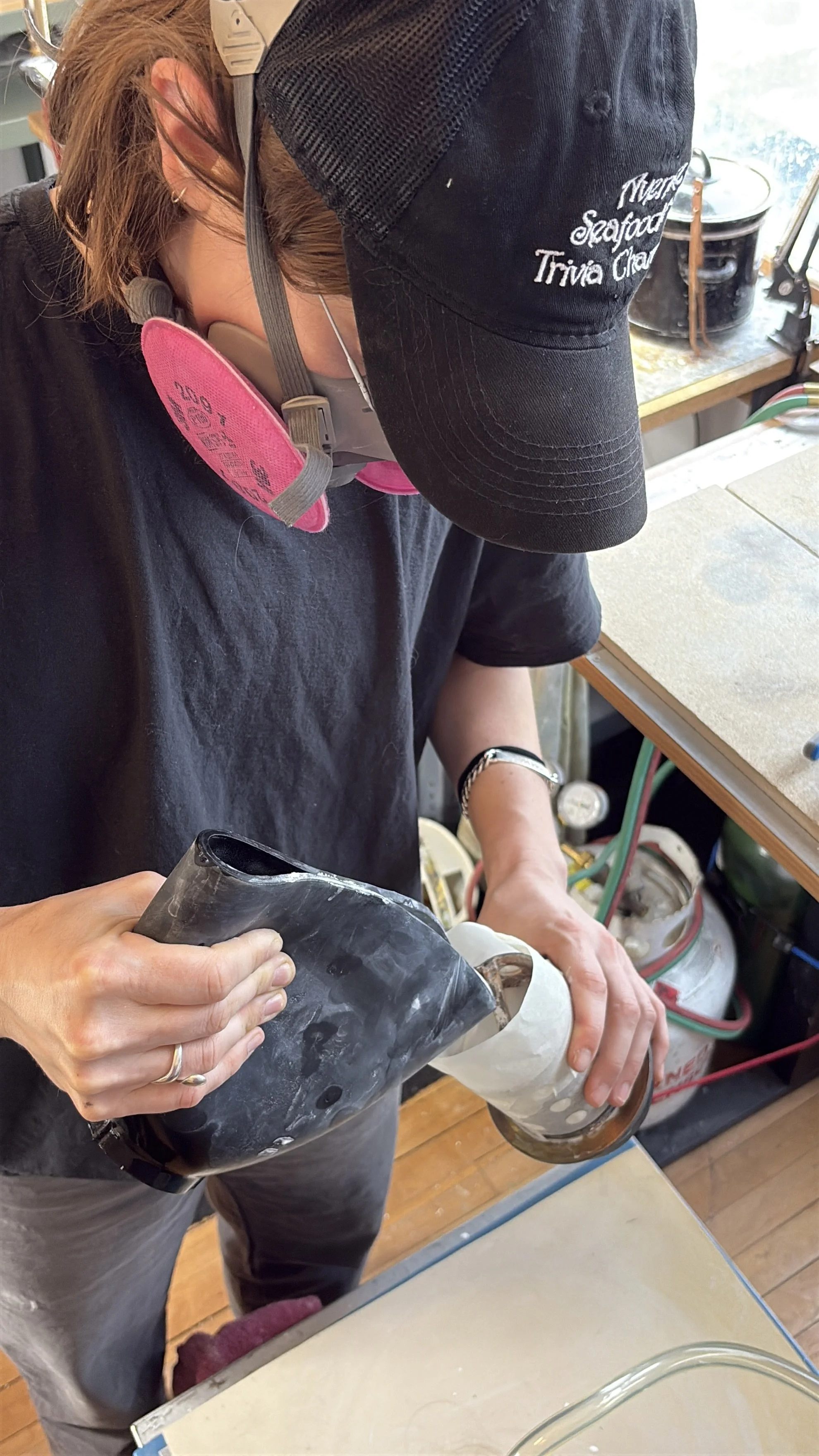
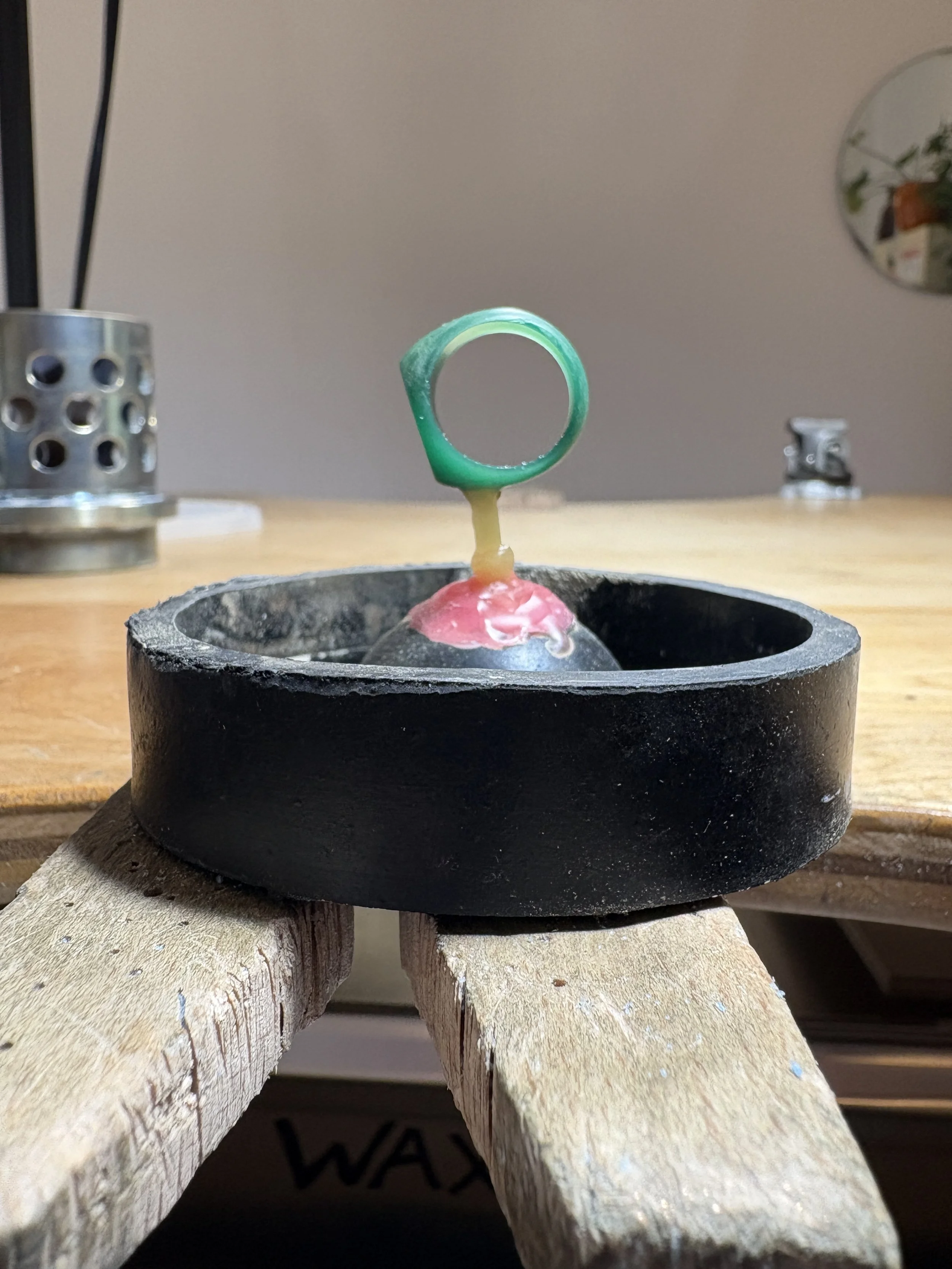
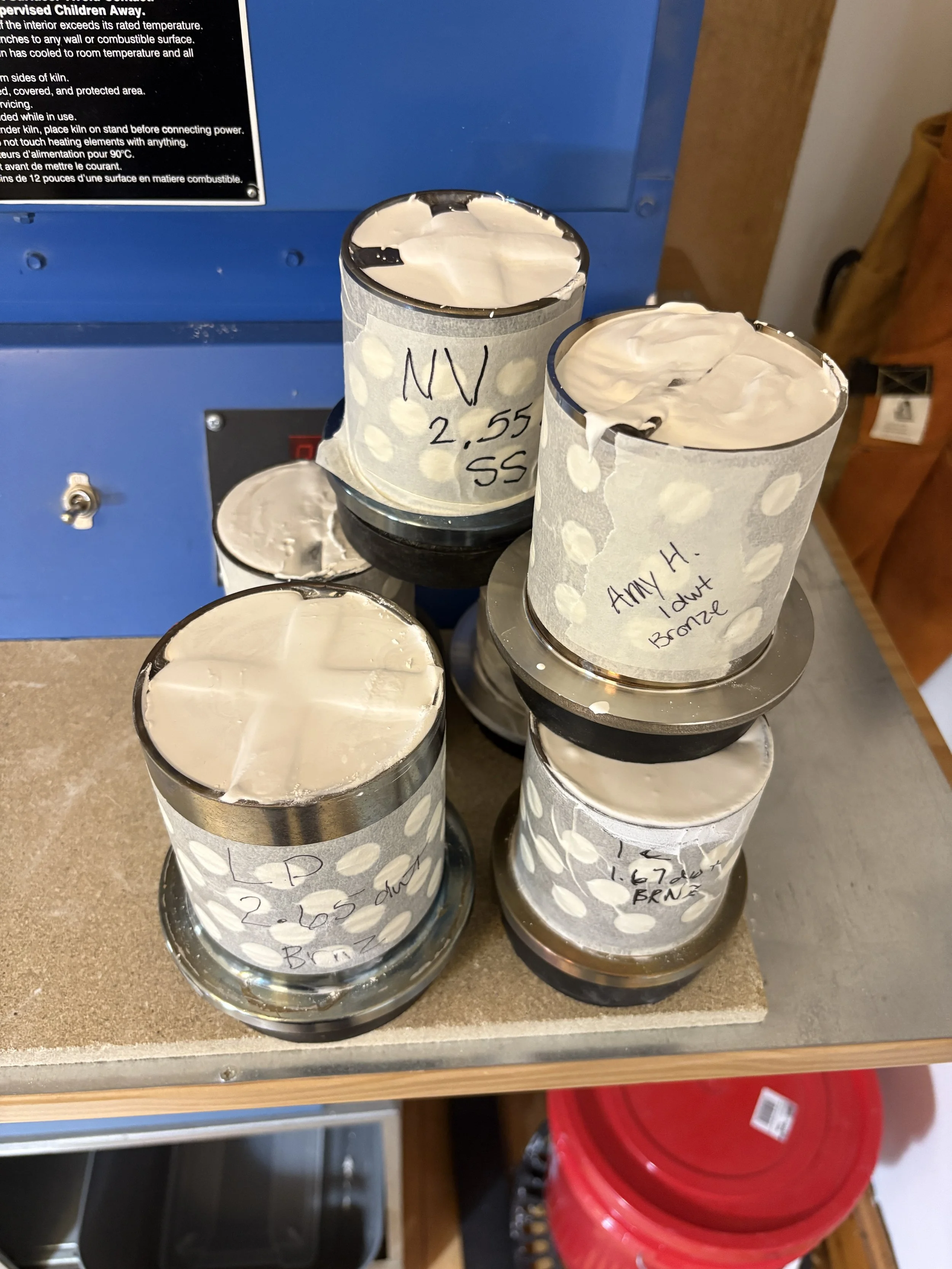
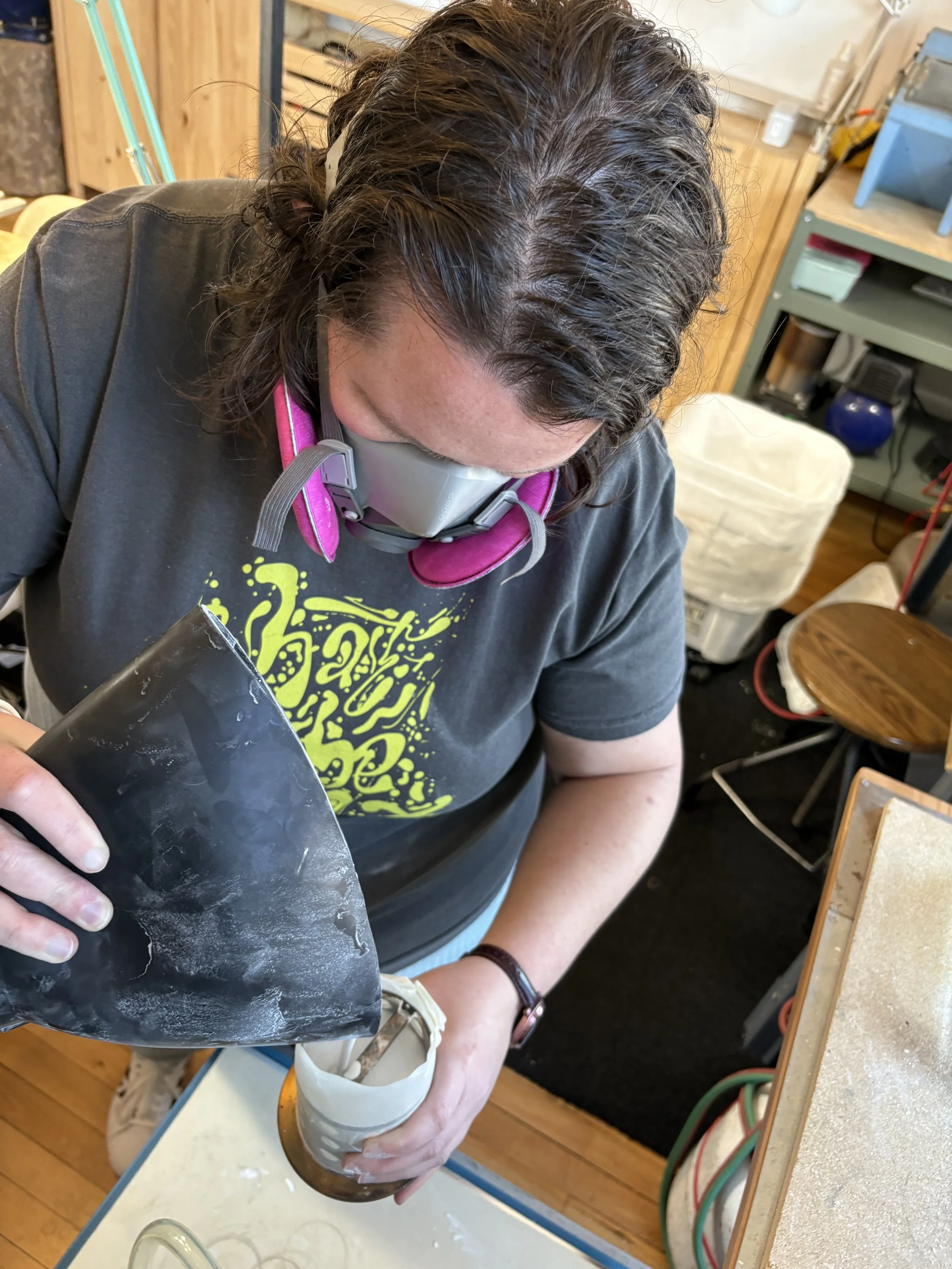
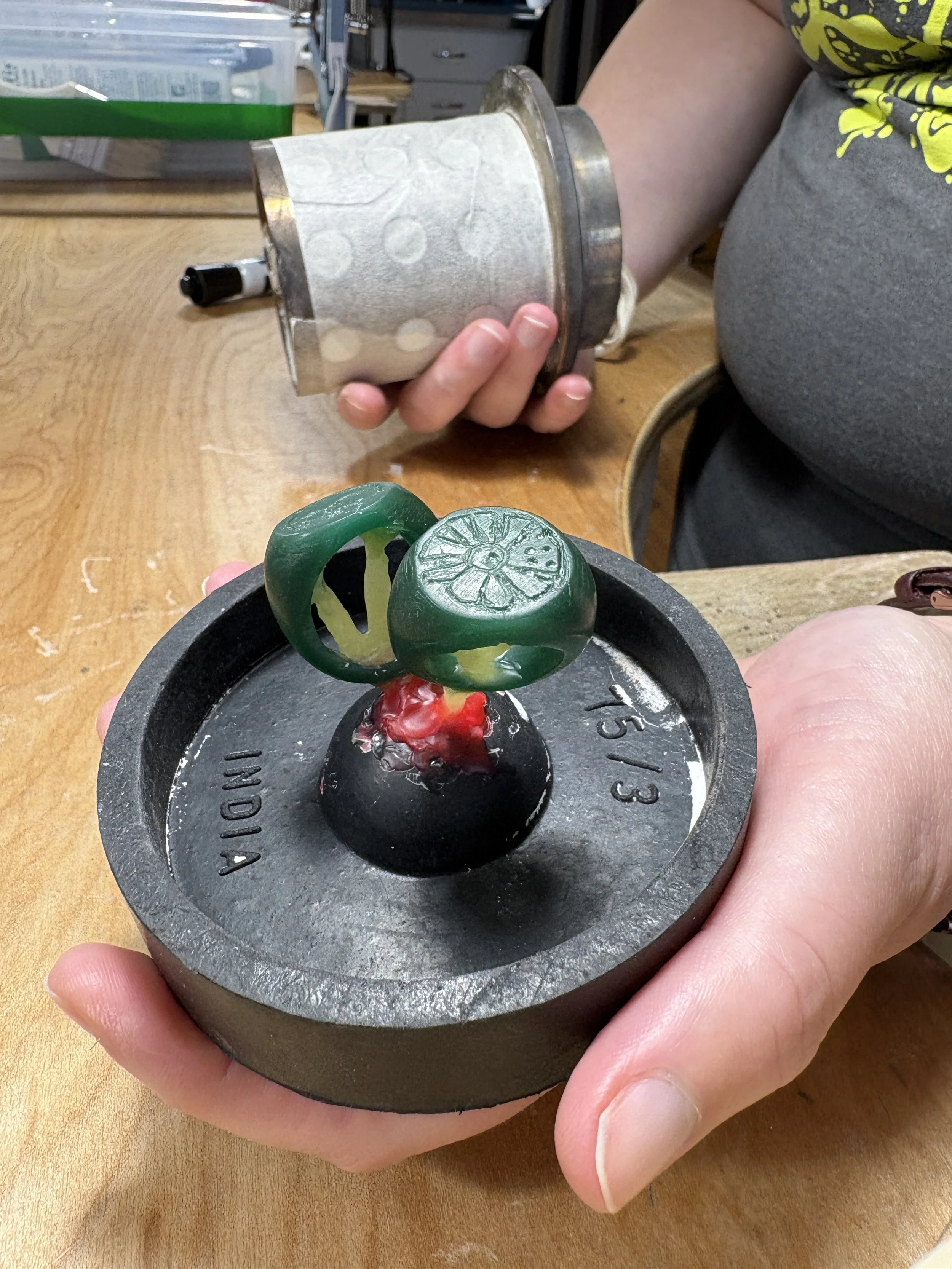
Class 2: Add sprues and create an investment mold.
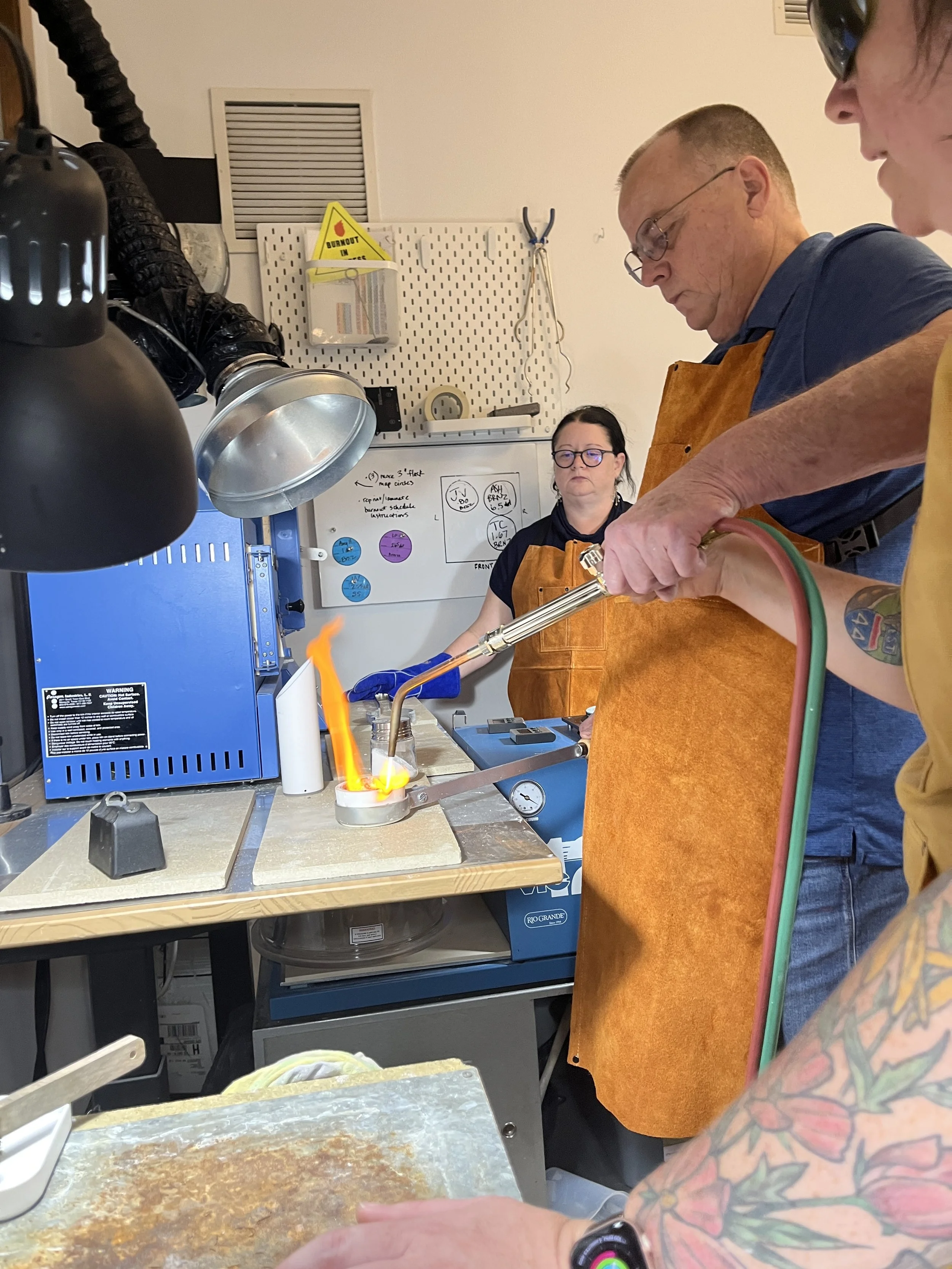
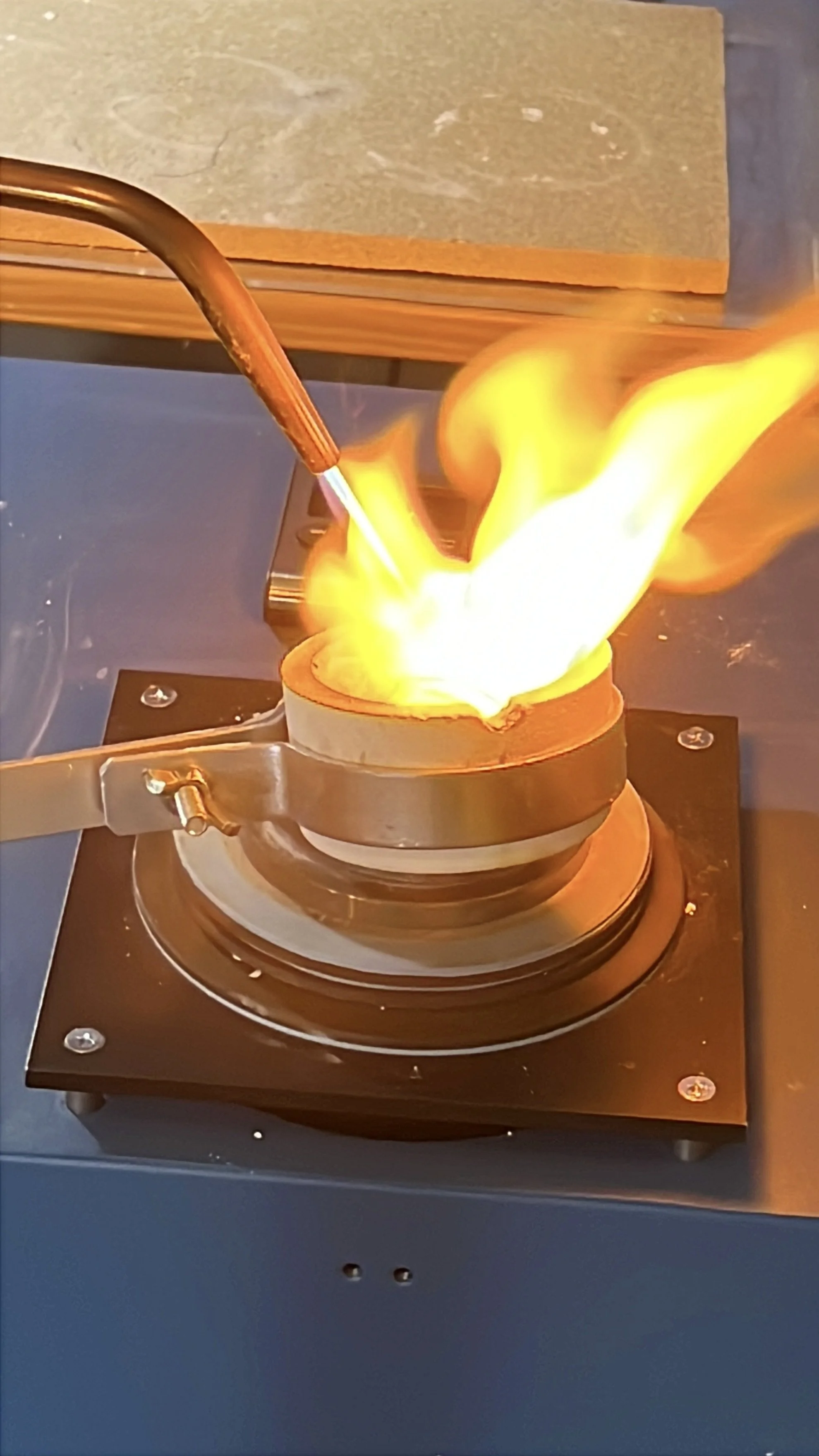
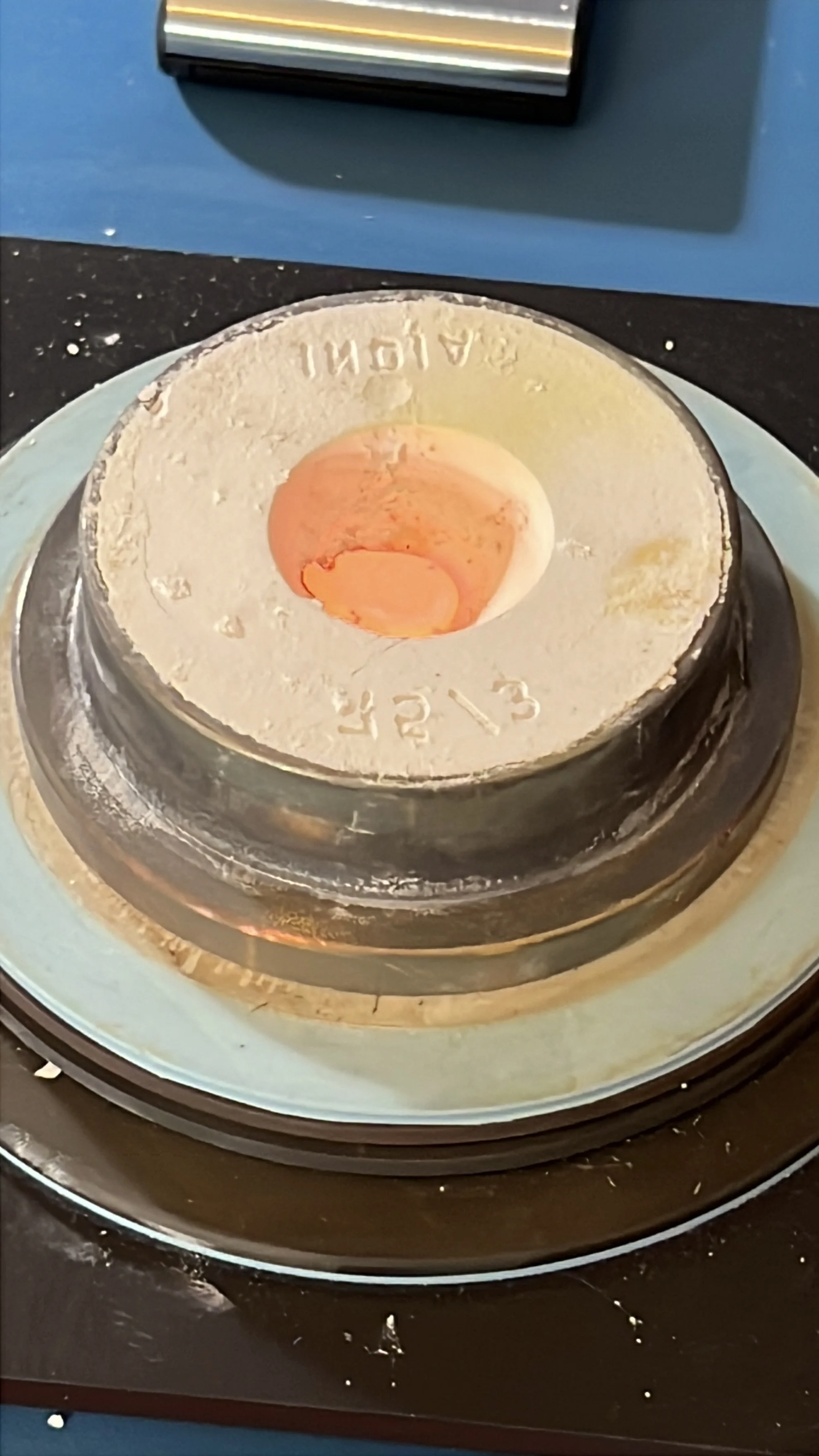
Class 3: Cast your flask and learn finishing techniques/troubleshooting specific to cast objects.
See FAQ below for more details.
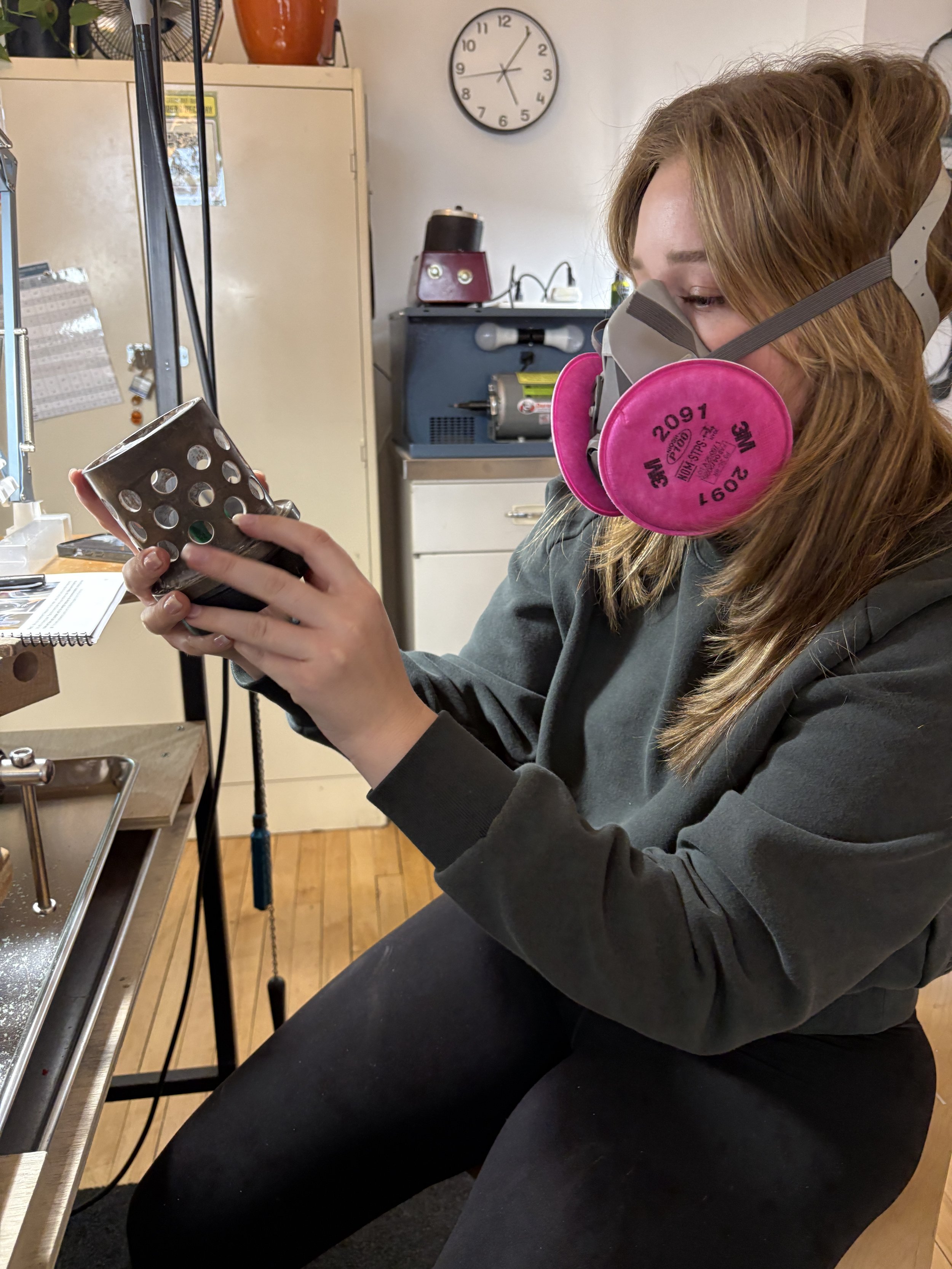
REQUIRED: Class 2 involves working with investment and requires proper respiratory protection. You must bring a respirator rated for silica particulates. (Not sure what to bring/buy? We’ll send respirator recommendations after you register. Approved respirators will also be available for purchase from our store during Class 1.)
Must be at least 18 years old to participate.
Cancellation Policy: Cancellations made more than 30 days before your workshop will be refunded minus a $50 deposit. If you need to cancel less than 30 days before your class, refunds are only available if your seat is filled. We’ll reach out to our waitlist and do what we can to help fill your spot.
FAQs
-
We release new public classes in March and September. Newsletter subscribers always get first dibs on tickets when they are released.
We do periodically have cancelations. Be sure to add your name to our waitlist, and we will reach out if a spot opens up.
-
Nope. However, most students find the class easier if they already have some basic fabrication skills and are looking to expand their skill set through casting.
Note that this class DOES NOT cover: Soldering, Finishing techniques and General fabrication skills
If you are completely new to metalsmithing tools and techniques, consider taking our Beginning Metalsmithing for Jewelry Class or supplementing your education and experience with private lessons.
-
Because it’s the best method of casting. Here, let us explain…
Lost wax casting is the industry standard for jewelry and small-scale metalwork because it can reproduce fine detail, complex forms, and multiple pieces in a single casting.
Sand casting is inexpensive and skips the wax burnout process, so your original model can be preserved. BUT the tradeoff is less detail, less control over texture, and typically only one casting per mold.
Cuttlebone casting is a simple, approachable way to practice pouring molten metal, but designs must be carved directly into the bone and are generally limited to flatter, less detailed forms. Oh, and it smells aweful!
If we’re going to spend the time teaching you to cast, we want to teach the process that gives you the most opportunity for success and the most design flexibility.
Nervous about your first pour? try water casting! It’s a low-stakes way to practice melting and pouring, and the resulting forms can be used in jewelry or remelted later.
-
We will be working with investment in Class 2, which can be very dangerous to your health without proper protection.
You must bring to class a respirator that's appropriate for protection against silica particulates like THIS ONE and THESE FILTERS.
Approved respirators and filters will be available for purchase from our store during Class 1.
-
All tools, 1 oz of bronze, and various waxes needed to create the class project, a signet ring, are all provided.
Want to cast more than just a signet ring? Go for it! You can bring additional castable objects, or purchase a wax carving kit and wax ring tubes to create more pieces between classes.
If I cast more am I going to need more metal? Your signet ring requires about 0.6 oz of bronze, and we provide up to 1 oz. If you need more, bronze can be purchased from our store during class or online from a supplier like Rio Grande.
But won’t bronze turn my finger green? You’re right, it might. Bronze is great for learning and practicing, but if you want to make a piece you’ll wear regularly, you may want to upgrade to silver. See “Can I Cast in Silver?” below.
-
Yes! It is more expensive though.
If you decide it’s worth it, casting grain/metal can be purchased in our shop during class or from a vendor like Rio Grande: Click the links for current silver pricing.
What does that pricing look like in practice? Here are a few past flasks, using silver at $63/oz:
1 ring: 0.7 dwt wax → about $49 silver
2 rings + a plastic LEGO + a leaf: 1.5 dwt wax → about $83 silver
4 rings: 2.8 dwt wax → about $136 silver
Want to bring your own metal or recycle old silver? You’re welcome to bring it to class, but we’ll need to inspect and approve it before casting. Not all metals, alloys, or scrap are suitable for this process, so we may recommend using fresh casting grain instead.
-
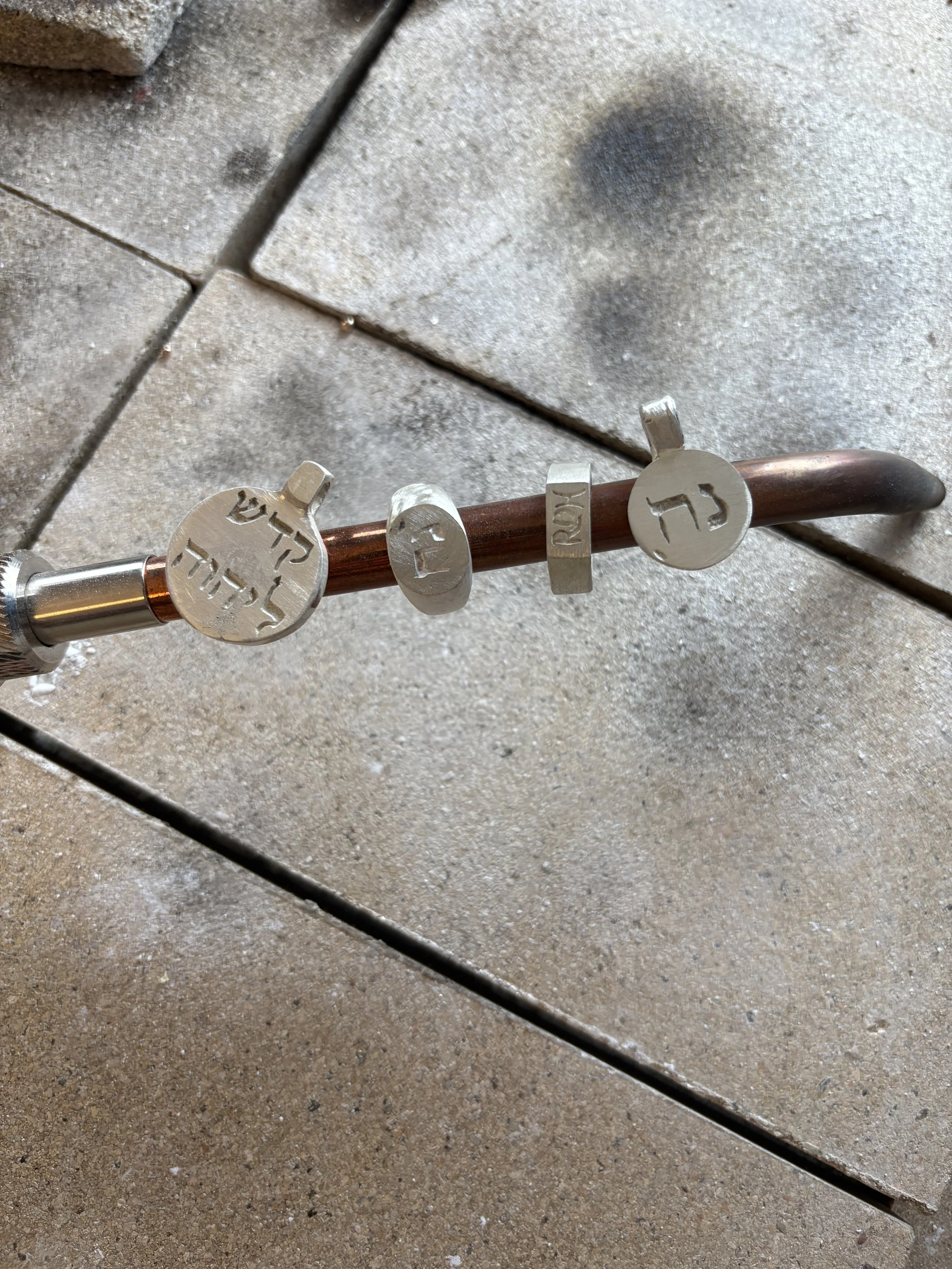
Yup! At minimum, you’ll cast the signet ring you carved in Class 1, but we’re happy to let you fill your 3” flask with additional pieces that safely fit. Depending on how much metal your flask requires, you may need to purchase additional casting grain, which can be done durning class.
What other items can I bring? Many students purchase a wax carving kit and wax ring tubes to practice carving and create additional pieces between classes.
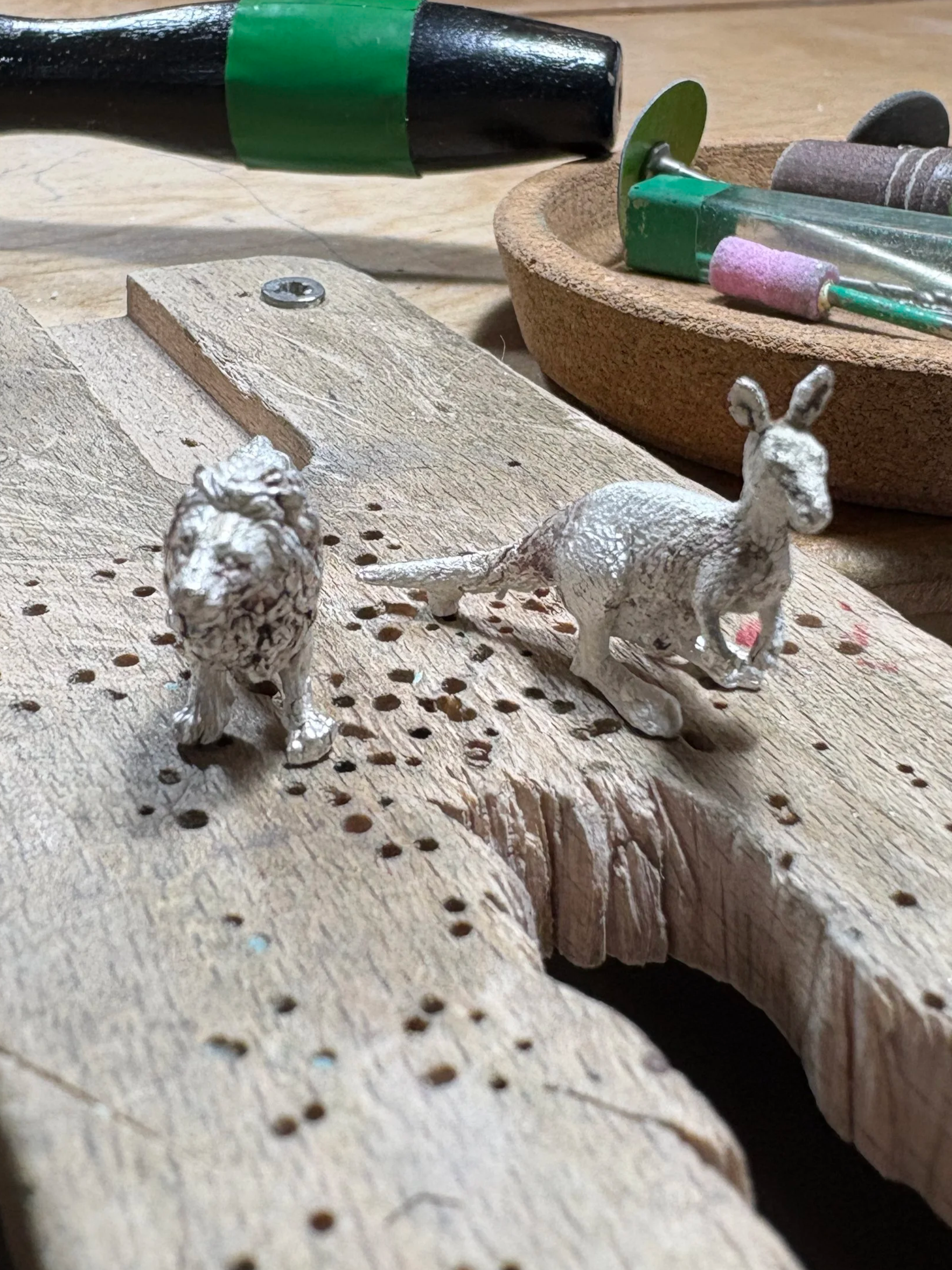
AND/OR You can also cast certain plastic, resin, and organic objects, such as small toy figures, dried plants, leaves, 3d printed items, and other found objects. Bring anything you’d like us to consider to Class 2.
A note on found objects: Not everything can be safely or successfully burned out and cast. Your instructor will review these items before casting and may decline pieces based on their material, size, or burnout behavior.
-
Failure is part of the learning process. There are no guarantees with casting, BUT complete failures are rare.
If this is your first time pouring molten metal, it may not go perfectly. Shaky hands, issues with depth perception, or pulling the heat too early can all lead to a partial or failed casting. The good news: your metal can always be reused, and most importantly you’re gaining casting experience.
NOTE: Your model material also affects your chances of success. Wax is the most predictable material we cast and is what we recommend.
Organic materials and plastics have a lower success rate than wax. Your instructor will cover ways to improve the outcome, but these materials naturally involve more experimentation and unpredictability.
3D printed models can be even more variable. Some resins require specific investments and burnout programs that our studio may not be able to accommodate. If you want to cast a 3D print, check with us first during Class 2.
-
Good news: you don’t have to stop casting after class.
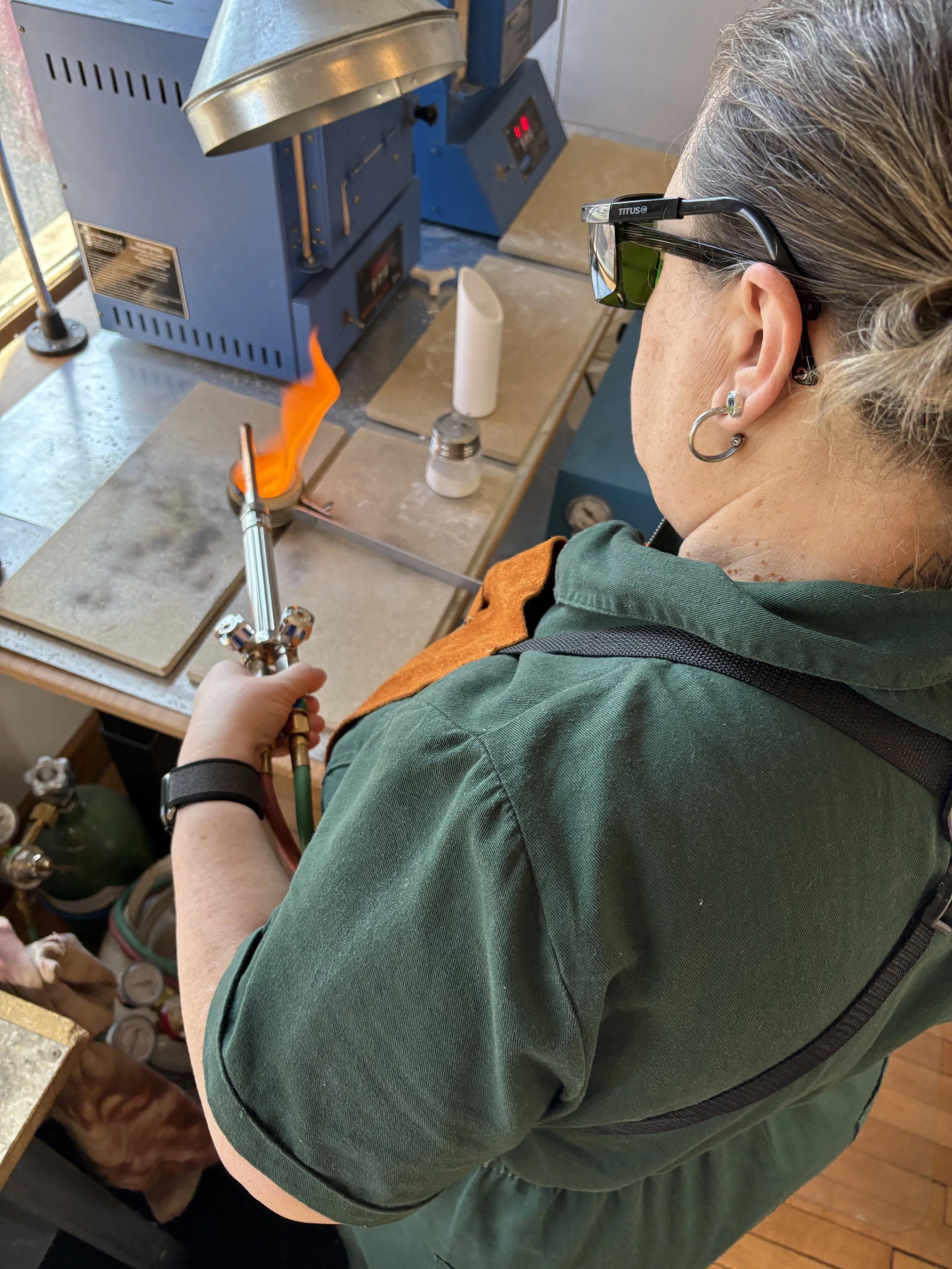
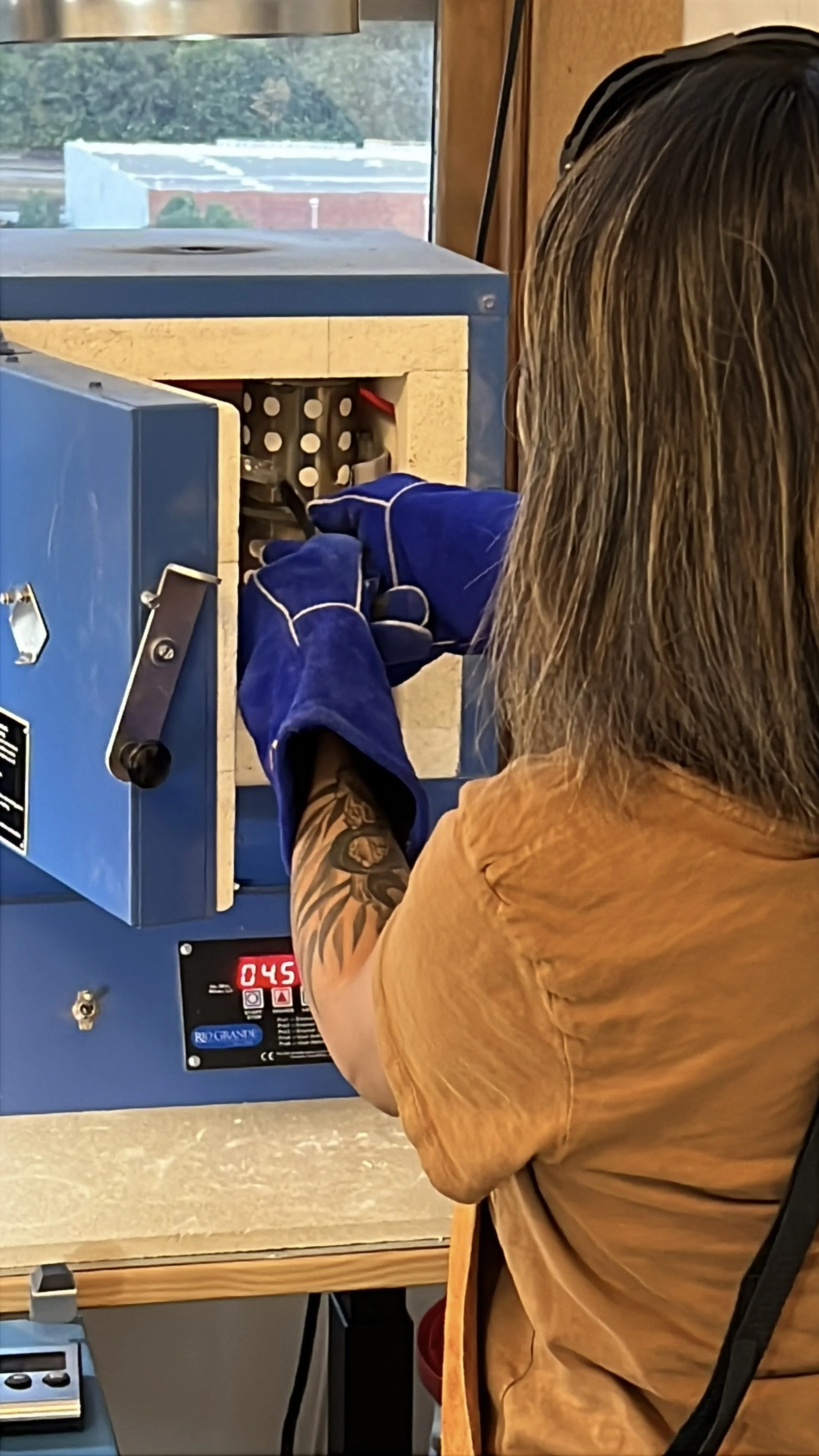
Once you complete this class, you’re qualified to participate in Foundry Fridays. giving you MONTHLY access to our casting equipment and support for $55 per flask. You’ll invest your flask on Thursday, we’ll handle the overnight burnout, and you’ll return Friday to cast. An instructor is there to assist and help as needed.
What comes next? Read this blog post to see how three members got started with casting and used Alloy’s classes, studio access, and Foundry Fridays to keep learning, practicing, and producing work.
-
If you don’t want to wait for another class to open, or you prefer one-on-one instruction, you can learn the same process through private lessons.
Wax Carving - Signet Ring - 3hr lesson, $255.
Learn the precision, techniques, and tools needed to carve a round signet ring. This lesson can be booked anytime. Afterward, you can continue into the casting process or spend time practicing your carving skills first.Mold Preparation: Sprues, Trees & Investment - 2 hr lesson, $170
Learn how the position and orientation of your models affect molten metal flow, how to combine multiple pieces into a single flask, and how to make intentional choices that improve mold fill. During class, you’ll sprue, tree, and invest your pieces for casting.IMPORTANT: If you plan to cast your flask, you’ll need to book Burnout + Cast Your Flask for the following day. It CANNOT be scheduled later. If you’re only learning the process and don’t plan to cast, we’ll remove the investment afterward and return your waxes/items.
Burnout + Cast Your Flask - 2 hour lesson, $170
Your instructor will begin with a demo pour, then guide you through your own casting. Afterward, you’ll cut your pieces from the tree, begin the finishing process, and discuss common casting issues, including porosity.This lesson may include other students. We actually consider that a benefit: seeing several pours gives you more opportunities to observe the process and troubleshoot different outcomes.
Already know how to carve wax or working with 3D-printed models? No problem. You can start with the Mold Preparation lesson.
Important scheduling note: the Burnout + Cast Your Flask lesson cannot be booked on its own. You must book the Mold Preparation lesson FIRST, followed by casting the next day. Appointments are paired Monday/Tuesday and Thursday evening/Friday morning, so please plan and book both accordingly.
-
Sure. If you already have experience mixing investment and pouring molten metal, you can take our Alloy Investment Orientation ($50). This training confirms that you’re comfortable performing those skills safely in our studio and qualifies you to participate in Foundry Fridays.
IMPORTANT: You must already have hands-on experience specifically with lost wax casting before signing up. Nope sorry, sand, cuttlebone, or water casting do not count as experience.
-
Sure, how does $85 off sound??!
Bench and Maker Members get a 20% discount on ALL of our workshops and classes, including this one.
Sign up for a membership, and we’ll email you the discount code to use when booking.
OUR INSTRUCTORS
-
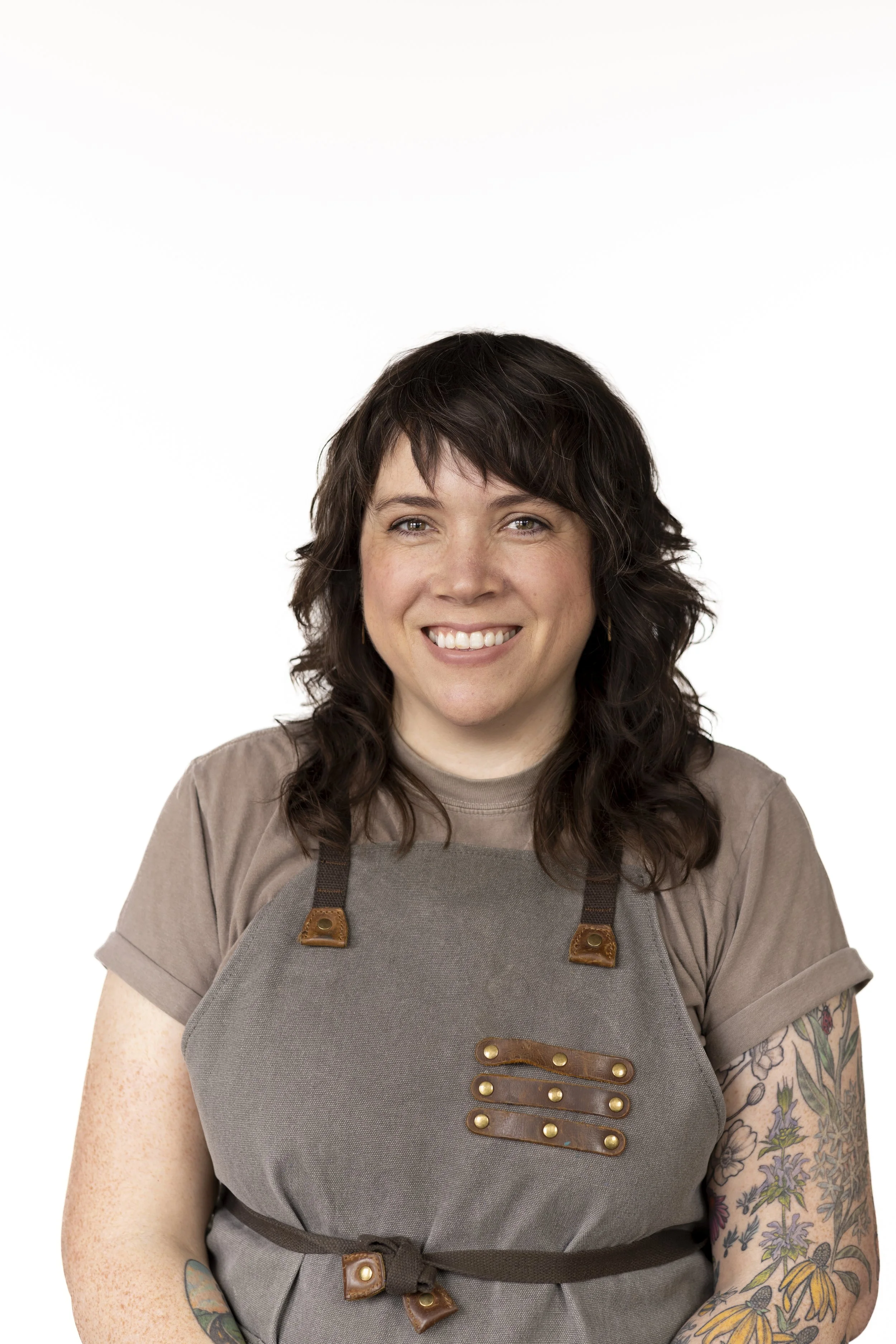
ABOUT LOUISE:
I’ve been making jewelry since my 9th birthday party at the Bead Merchant in my hometown, Tulsa, Oklahoma. I moved to Lawrence in 2003 to study music, but transitioned to a degree in metalsmithing. The first time I held a torch was the last time I strung beads. After school, I started an apprenticeship at Jewelry by Design in Prairie Village. I specialize in casting, diamond setting, and all things goldsmithing. My favorite part of teaching at Alloy is experiencing the collaborative energy of a metals studio filled with students and makers at work.
-
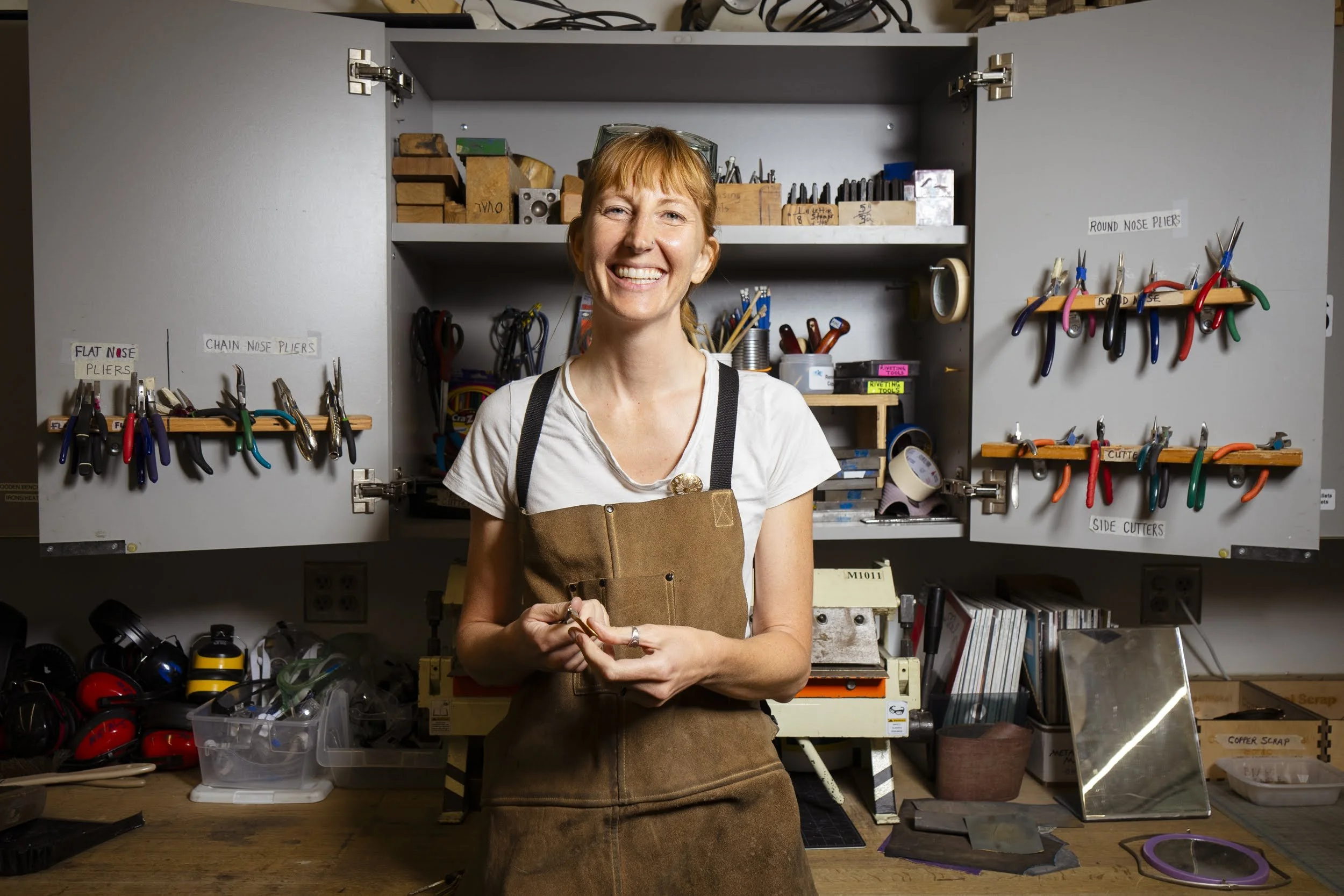
ABOUT EVY:
Creating with metal is where I feel most at home, especially when doing it alongside others. My path with silver started in 2004, and after earning a Studio Art degree from St. Olaf College where I pivoted to large-scale steel sculpture, I returned to jewelry through an apprenticeship at Creative Side in Austin. I love a technical challenge and thrive on helping students take their biggest, wildest ideas and figure out how to bring them into reality.